
Did you know that websites produce more carbon emissions than the entire aviation industry? It’s a startling fact that highlights the environmental impact of the digital world. As businesses increasingly rely on their online presence, it’s crucial to consider the carbon footprint of website design. Adopting low carbon website design practices not only benefits the planet but also brings significant advantages to your business.
Key Takeaways:
- Websites generate more carbon emissions than the aviation industry.
- Low carbon website design practices benefit both the environment and businesses.
- Implementing sustainable web development enhances SEO, user experience, and aligns with sustainability values.
- The digital world’s contribution to climate change underscores the need for reducing website carbon footprint.
- Choosing the right partners for sustainable web development is crucial for long-term success.
The Rising Carbon Footprint of the Digital World
The digital world has become an integral part of our lives, offering convenience, connectivity, and endless possibilities. However, this digital revolution also comes with a significant environmental impact. With the increasing reliance on technology and web-based services, the carbon footprint of the digital world is growing rapidly.
Understanding the Environmental Impact of Web Pages
Web pages may seem intangible, but they have a tangible environmental footprint. Every time you load a web page, it consumes energy, contributing to carbon emissions. The energy required to power data centers, transmit data across networks, and display content on devices all adds up.
The Growth of Digital Carbon Emissions
The growth of the digital world has led to a significant increase in carbon emissions. According to recent studies, the carbon emissions generated by the digital world are responsible for approximately 3.7% of global greenhouse gas emissions, which is equivalent to the emissions produced by the aviation industry.
“The carbon emissions generated by the digital world are equivalent to the emissions produced by the aviation industry.”
This alarming statistic highlights the urgent need to address the carbon footprint of web-based services and digital technologies. As businesses and individuals continue to embrace the digital age, it becomes crucial to find sustainable solutions to mitigate the environmental impact.
Setting the Scene: The Web’s Contribution to Climate Change
Climate change is a pressing issue that requires immediate action. The web, with its increasing carbon emissions, plays a role in exacerbating this global problem. By recognizing the web’s contribution to climate change, businesses can take proactive steps to minimize their carbon footprint and contribute to a more sustainable future.
In the next section, we will explore the concept of low carbon website design and how it can help reduce the environmental impact of web pages.
What is Low Carbon Website Design?
Low carbon website design refers to the practice of creating and developing websites with a focus on minimizing carbon emissions and promoting sustainability. It involves implementing sustainable practices that prioritize energy efficiency and carbon reduction throughout the entire website design and development process.
With the increasing awareness of environmental issues, businesses are recognizing the importance of reducing their carbon footprint, even in the digital realm. Low carbon website design plays a crucial role in aligning websites with sustainable values and minimizing their impact on the planet.
Low carbon website design encompasses various sustainable practices that contribute to energy efficiency and carbon reduction. These practices include:
- Optimizing website code and files to reduce their size and minimize energy consumption during page loading.
- Using sustainable hosting solutions that rely on renewable energy sources and prioritize energy-efficient infrastructure.
- Employing content delivery networks (CDNs) strategically to reduce the distance that data travels and minimize carbon emissions.
By implementing these practices, businesses can not only reduce their carbon footprint but also improve the overall performance and user experience of their websites. Low carbon website design is essential for businesses that aim to operate sustainably, attract environmentally conscious customers, and demonstrate their commitment to environmental stewardship.
Benefits of Implementing Low Carbon Website Design
SEO Advantages of Speed and Efficiency
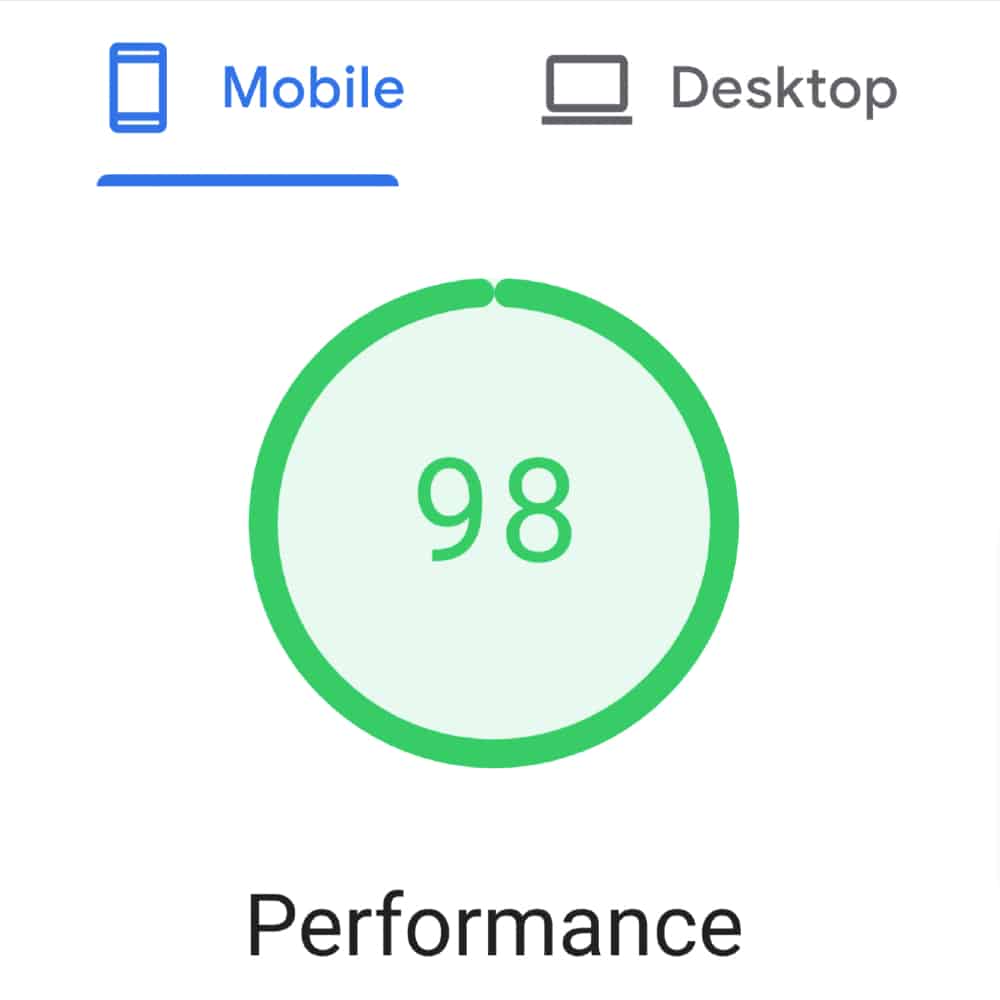
Implementing low carbon website design offers several SEO advantages, particularly in terms of speed and efficiency. One of the key factors that search engines consider when ranking websites is their loading speed. Fast-loading websites not only provide a better user experience but also have a higher chance of ranking higher on search engine results pages (SERPs). In fact, research has shown that a one-second delay in page load time can result in a 7% reduction in conversions. By optimizing your website’s carbon footprint and improving its speed, you can enhance your SEO performance and attract more organic traffic.
Enhancing User Experience with Fast Loading Speeds
Fast loading speeds not only benefit your website’s SEO but also greatly enhance user experience. As internet users become increasingly impatient, they expect websites to load quickly and seamlessly. Slow-loading websites can lead to high bounce rates and frustrated visitors. On the other hand, a website that loads quickly provides users with a smooth and efficient browsing experience, leading to longer visit durations, increased page views, and higher chances of conversions. By implementing low carbon website design practices that prioritize website speed, you can ensure a positive user experience that keeps visitors engaged and satisfied.
Carbon-Efficient Practices and Their Business Incentives
In addition to the SEO and user experience advantages, implementing low carbon website design practices also presents several business incentives. Firstly, by reducing your website’s carbon footprint, you demonstrate your commitment to environmental sustainability and appeal to environmentally conscious customers. With the growing concern for climate change and environmental impact, consumers are increasingly choosing businesses that align with their values and prioritize eco-friendly practices. By adopting carbon-efficient practices, you can attract a wider audience and build a loyal customer base.
Furthermore, implementing low carbon website design can lead to significant cost savings for businesses. By optimizing your website’s energy consumption and streamlining its infrastructure, you can reduce operational costs related to hosting and maintenance. This not only benefits the environment but also improves your bottom line, allowing you to invest in other areas of your business. Additionally, as more businesses embrace sustainable practices, partnerships and collaborations with like-minded organizations become more accessible, leading to further networking and business opportunities.
Strategies for Reducing Website Carbon Emissions
Optimizing File Sizes and Formats
In order to reduce website carbon emissions, optimizing file sizes and formats is crucial. By reducing the size of files, you can significantly decrease the energy required to load web pages. This can be achieved through a combination of file compression, image optimization, and using efficient file formats. Compressed files load faster, resulting in a more sustainable browsing experience and reduced carbon footprint for your website.
Employing Sustainable Hosting Solutions
Sustainable hosting solutions play a critical role in reducing website carbon emissions. When choosing a hosting provider, opt for those that prioritize energy efficiency and employ renewable energy sources. By hosting your website on servers powered by renewable energy, you can minimize the environmental impact of your web presence. Additionally, consider providers that have implemented efficient infrastructure and utilize advanced cooling technologies to further reduce energy consumption.
Effective Use of Content Delivery Networks
Content Delivery Networks (CDNs) offer an effective way to reduce website carbon emissions by serving web content from locations closer to users. By distributing your website’s files across multiple servers geographically, CDNs minimize the distance data travels, reducing energy consumption and latency. This not only improves website performance but also contributes to the overall sustainability of your web presence.
Choosing the Right Partners for Sustainable Web Development
In the world of sustainable web development, selecting the right partners is crucial to ensure that your website aligns with eco-friendly practices and contributes to a low carbon footprint. Collaborating with sustainable web development partners, eco-friendly web design agencies, and environmentally conscious web developers is essential to create an environmentally friendly online presence for your business.
By choosing sustainable web development partners, you can rest assured that every aspect of your website’s design and development is focused on reducing its environmental impact. These partners prioritize low carbon website design, implementing energy-efficient practices and technologies to minimize carbon emissions. They understand the importance of creating websites that not only perform well but also align with sustainability values.
“Eco-friendly web design agencies and environmentally conscious web developers prioritize low carbon website design and are committed to building a sustainable digital future.”

Working with eco-friendly web design agencies ensures that your website is visually appealing, user-friendly, and environmentally friendly. These agencies incorporate sustainable design principles, such as using clean and efficient code, optimizing file sizes and formats, and minimizing the use of resource-intensive elements. As a result, your website will not only load faster but also consume fewer energy resources, contributing to a greener online experience.
By partnering with environmentally conscious web developers, you gain access to expertise and insights into the latest sustainable web development practices. These developers are passionate about making a positive impact on the environment and are dedicated to implementing low carbon website design strategies. They can advise and guide you in adopting carbon-efficient practices, such as sustainable hosting solutions and the effective use of content delivery networks (CDNs).
Choosing the right partners for sustainable web development is a strategic decision that allows your business to demonstrate its commitment to environmental responsibility and sustainability. By prioritizing eco-friendly web design and collaborating with environmentally conscious web developers, you can create a website that not only drives results but also reduces your carbon footprint.
Summary
Low carbon website design is good for business as well as the planet. By reducing the carbon load of your website and alleviating your carbon footprint, you can help protect the environment and save costs and resources.
To get started with a new low carbon website for your business, get in touch with us to see how we can help you adopt a more sustainable approach to your digital marketing.